In this issue:
How meeting the GBF goals is made impossible through global legal systems
Nele Marien (Friends of the Earth International) - One big elephant in the room, preventing the halting and reversal of biodiversity destruction is the global legal system, which puts economic law above environmental law, with severe sanctions for non-compliance, while environmental agreements such as the CBD don’t have functional compliance mechanisms.
Wild Animal Offsets Will Drive Extinctions, Indigenous Peoples Warn the UN
Cassandra Smithies (Global Justice Ecology Project) - Alarmed that buffalo, jaguars, orangutans and even whales are being converted into offsets to greenwash oil and mining companies, Indigenous Peoples and civil society request that parties at COP17 immediately stop taking steps to monetize their sacred animals and nature as “natural capital” for carbon and biodiversity markets because it will contribute to their extinction.
Protecting bees must not become a licence to engineer them
Julie Sohier (POLLINIS) - Bees connect landscapes. Every day they move between fields, gardens and protected areas, carrying pollen and microbes from flower to flower and linking plants with pollinator communities. That is precisely what makes a new generation of biotechnologies so troubling. Researchers and companies are developing genetically engineered gut bacteria to turn honey bees into living pesticide factories. Inside the bee, these modified bacteria would continuously produce RNA-based molecules designed to kill Varroa mites, by silencing essential genes when the parasites feed on them. The bee’s own genome stays the same, but its biology is changed through its microbiome.
Don’t ignore the youth - make our biodiversity actions be recognized!
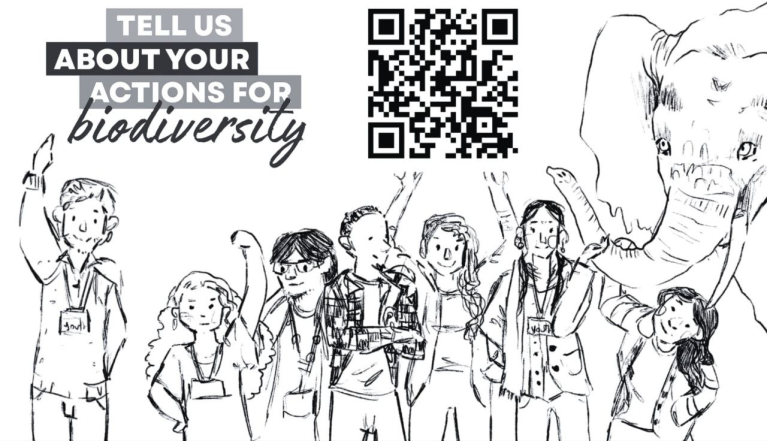
Global Youth Biodiversity Network (GYBN) - Youth is the future. The decisions of today shape the world we will live in longer than anyone else. But youth is not only the future, nor are we only beneficiaries. Youth is acting now, at the forefront of biodiversity efforts. Yet, we remain one of the most under-resourced and underrepresented groups in global biodiversity governance.
Documents
ECO-75-8.pdf
(353.36 KB)