In this issue:
The 200-to-1 problem that biodiversity finance is avoiding
Tom Picken, Rainforest Action Network - There is an overlooked implication hidden inside this year's State of Finance for Nature report. Much attention has rightly been given to its headline finding that finance harming nature outweighs nature-positive finance by around 30 to 1. But that comparison combines public and private finance. The report's own breakdown of those totals tells a different story. Looking only at the private finance figures, financial flows classified as nature-negative outweigh those classified as nature-positive by more than 200 to 1.
What is preventing biodiversity from coming first in economic and sectoral decisions?
Nele Marien, Friends of the Earth International - As biodiversity loss accelerates across the globe, the need to mainstream biodiversity as a central consideration in all public policy decisions has never been more urgent. The impacts of major economic sectors on nature remain unacceptably high and continue to grow. To safeguard the Earth's life-support systems and our collective future it is essential to make biodiversity a priority in all decision-making, particularly in economic, fiscal and financial policies.
Why the World Bank country income classification is not suitable for CBD purposes
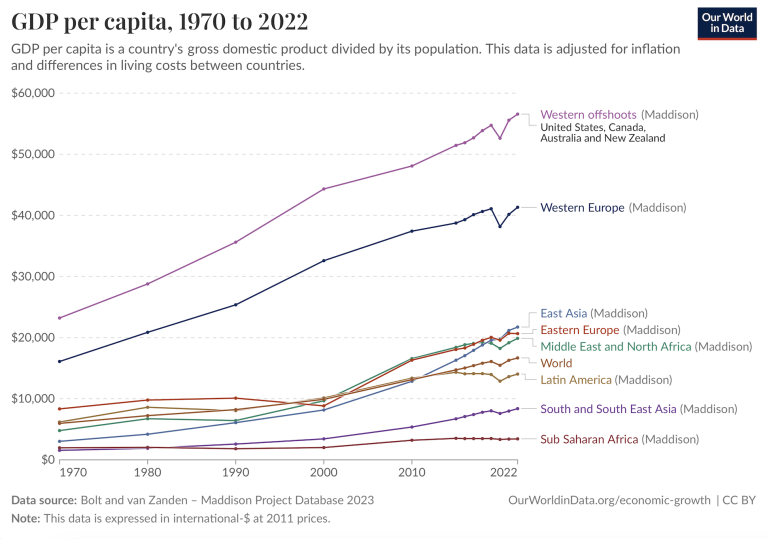
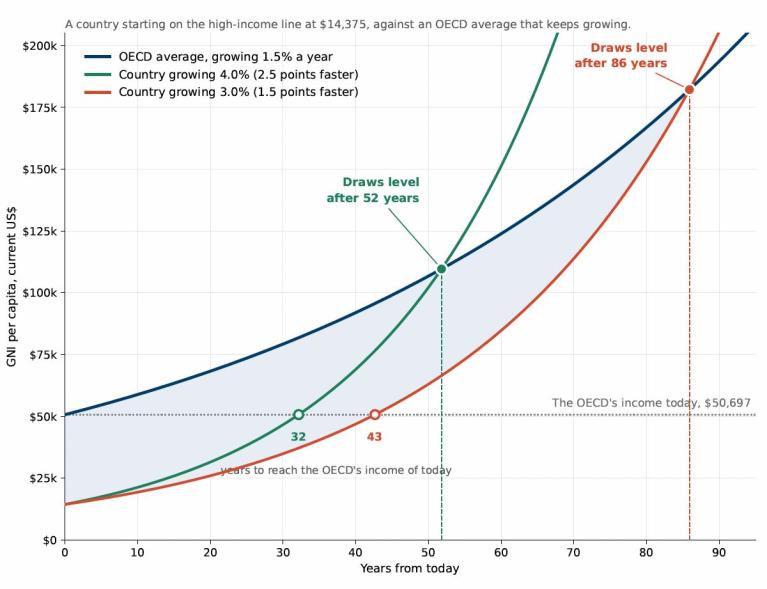
Lim Li Ching & Goh Chien Yen, Third World Network - The Joint Submission on behalf of Australia, Canada, Japan, New Zealand, Norway, Switzerland and the United Kingdom proposes that Parties classified as “high-income” under the World Bank (WB) country income classification should be used to review and amend the list of Developed Country Parties and Other Parties that Voluntarily Assume the Obligations of Developed Country Parties, with the exclusion of Small Island Developing States.
Documents
ECO-74-6.pdf
(393.27 KB)